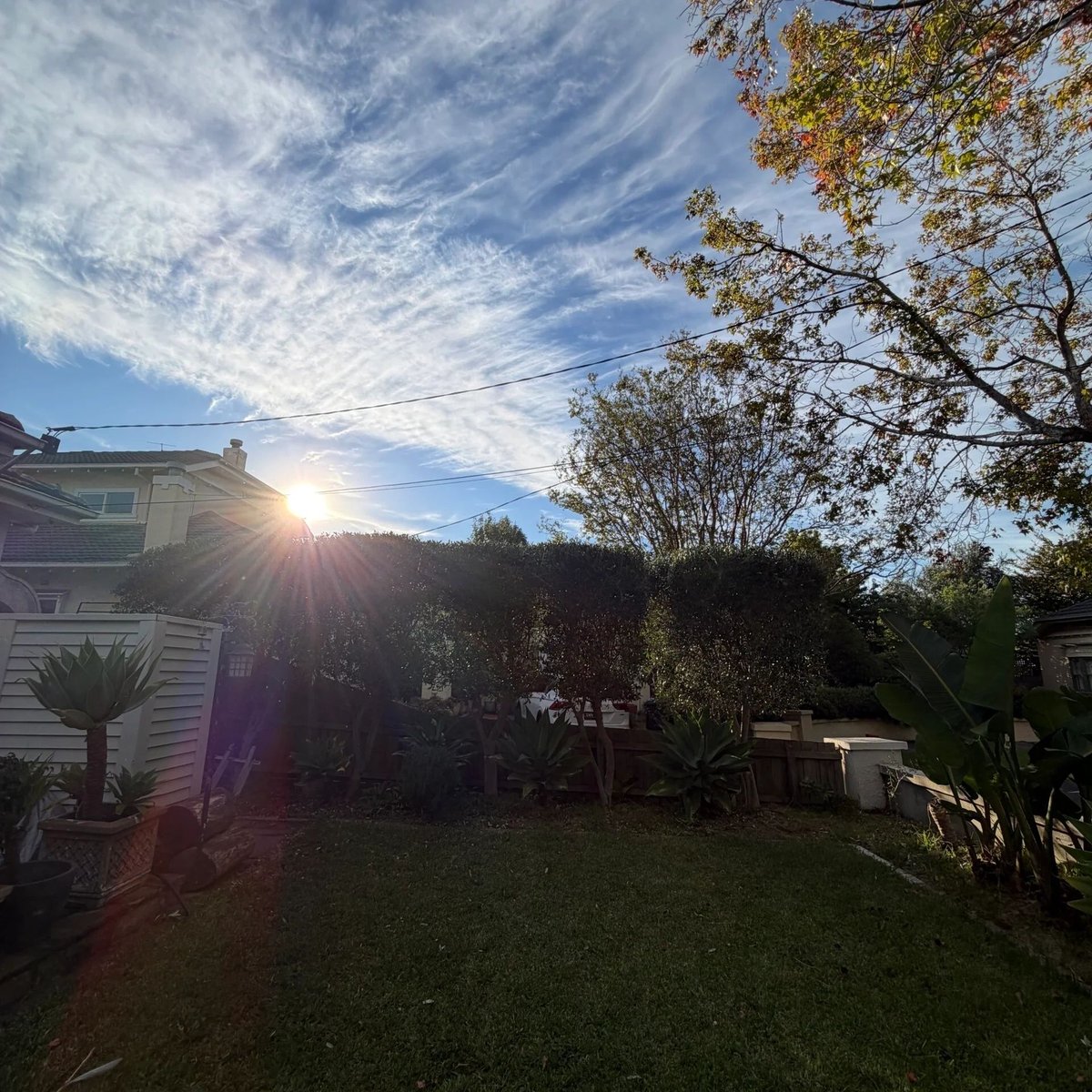
Timing your hedge trims well means denser growth, cleaner lines and far less work later. Here's the schedule we use across Melbourne's South East.
The short answer
Most common Melbourne hedges — photinia, pittosporum, murraya, viburnum, box — do best with two to three trims a year: one in early spring, one in mid summer, and a light tidy in autumn if growth has been strong.
Formal hedges you want dead flat and dense need the extra summer cut. Informal screening hedges can usually get by on two.
Spring (September – November)
This is the main structural trim. Cut just before the big spring flush and the new growth immediately fills in the cut face, which is what gives you that solid green wall rather than a hedge you can see through.
If a hedge has got away over winter, spring is also the right time to bring it back hard — plants have the whole growing season ahead of them to recover.
Summer (December – February)
A maintenance trim only. Keep it light, and avoid cutting during a run of 35°C-plus days — freshly exposed inner foliage scorches badly.
Early morning is best. Water deeply the day before if the plants are stressed.
Autumn (March – May)
A final tidy so the hedge looks sharp through winter. Don't cut hard here — new growth pushed out late in the season is soft and gets knocked around by frost.
Winter (June – August)
Leave most hedges alone. The exception is deciduous hedging and dormant fruit trees, which are best pruned while bare so you can actually see the structure.
A few things that make a big difference
Taper slightly — a hedge that's a touch narrower at the top lets light reach the bottom, which stops the base going bare and leggy.
Sharp, clean blades. Torn foliage browns off at the edges and looks terrible for weeks.
Feed after the spring cut. A hedge you trim regularly is a hedge you're constantly asking to regrow.
Rather someone else did it?
We look after gardens right across Melbourne's inner east and bayside, on a schedule that suits you.
Request a free quote